Understanding Plant Respiration & Heat Stress

A few summers ago, Europe experienced a prolonged period of high temperatures that broke many records. By definition, cool season grasses are grass types that thrive in areas with cold winters and relatively hot summers. These grasses grow best when temperatures are between 18 and 27°C. The summer of 2018 saw daytime temperatures consistently reaching […]

Read More… from Understanding Plant Respiration & Heat Stress
Abiotic vs Biotic Stress Problems: How to Differentiate & Diagnose

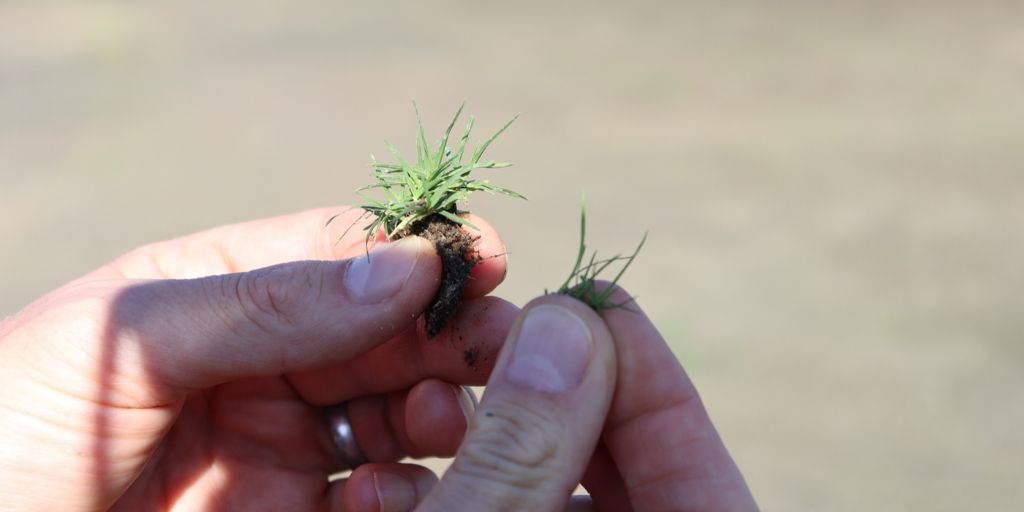
Turfgrass injury and damage is caused by either abiotic or biotic factors. Some examples of abiotic factors or stressors include extreme weather/temperatures, soil compaction, nutrients/light, excess or deficient water, and adverse cultural practices. On the flipside, biotic stressors include living factors such as fungi, bacteria, viruses and pests. Though the differentiation between the two stressors […]

Read More… from Abiotic vs Biotic Stress Problems: How to Differentiate & Diagnose

How to Get the Most Out of Your Pre-Emergent Application

Using a pre-emergent herbicide to control weeds on turf can be considered a “no-brainer” for many superintendents. However, there are some additional steps that can be taken to ensure that each pre-emergent application is as beneficial as it can be for a course. A few of those steps revolve around timing, multiple applications, watering-in, and […]

Read More… from How to Get the Most Out of Your Pre-Emergent Application

Turf Hardeners – A Tool to Reduce the Need for Chemical Disease Prevention

As summer turns to autumn one will often hear a greenkeeper refer to their plan to apply a turf hardener to their beloved surfaces. Let us first define the phrase “turf hardener” – a non-fungicidal material, or mix of materials, that when applied to turf has the potential to reduce the likelihood of fungal disease […]

Read More… from Turf Hardeners – A Tool to Reduce the Need for Chemical Disease Prevention

Fixing Salinity Issues Prior to Overseeding

Salt build-up and the subsequent problems associated with that build up can cause multiple problems – from slow and blotchy germination to Rapid Blight. When not addressed prior to overseeding, turfgrass can struggle to germinate properly. The combination of the salt level in the irrigation water and the turfgrass’ salt tolerance determines how to manage […]

Read More… from Fixing Salinity Issues Prior to Overseeding

The Benefits of an Early Surfactant Application

With the prospect of winter turning to spring, sports turf managers can look forward to the benefits this change of season brings to their playing surfaces. We have experienced milder winters in recent years and the timing of spring has become less predictable. However, the concept of longer daylight hours and warmer rainfall, combined with […]

Read More… from The Benefits of an Early Surfactant Application

Tips for Falling Out of The Season

Autumn brings with it plenty of changes for golf course superintendents and turfgrass crews. With fewer rounds and more favorable growing conditions, the focus shifts from playability and maintenance to winter preparedness. While “to-do” list items for winterizing your course depend on the species of turfgrass on your course, many of the practices listed below […]

Read More… from Tips for Falling Out of The Season

Water Management and Sports Safety

Sports turf managers face the challenge of maintaining a safe and playable turfgrass surface while reducing inputs such as fertilizer and water – it’s no easy task. Surface firmness of athletic fields has received more attention in recent years due to increased awareness and heightened concussion prevention standards. With students returning to school, and resuming play […]

Read More… from Water Management and Sports Safety